Selecting the Best Metal Casting Foundry: What You Need to Know
Selecting the appropriate metal casting foundry is a crucial decision that can significantly affect project outcomes. Numerous factors come into play, including expertise, credibility, and production capacities. Understanding these elements is necessary for ensuring alignment with specific project requirements. As one examines this complex landscape, several key considerations emerge, prompting a closer examination of what truly counts in establishing an successful partnership.
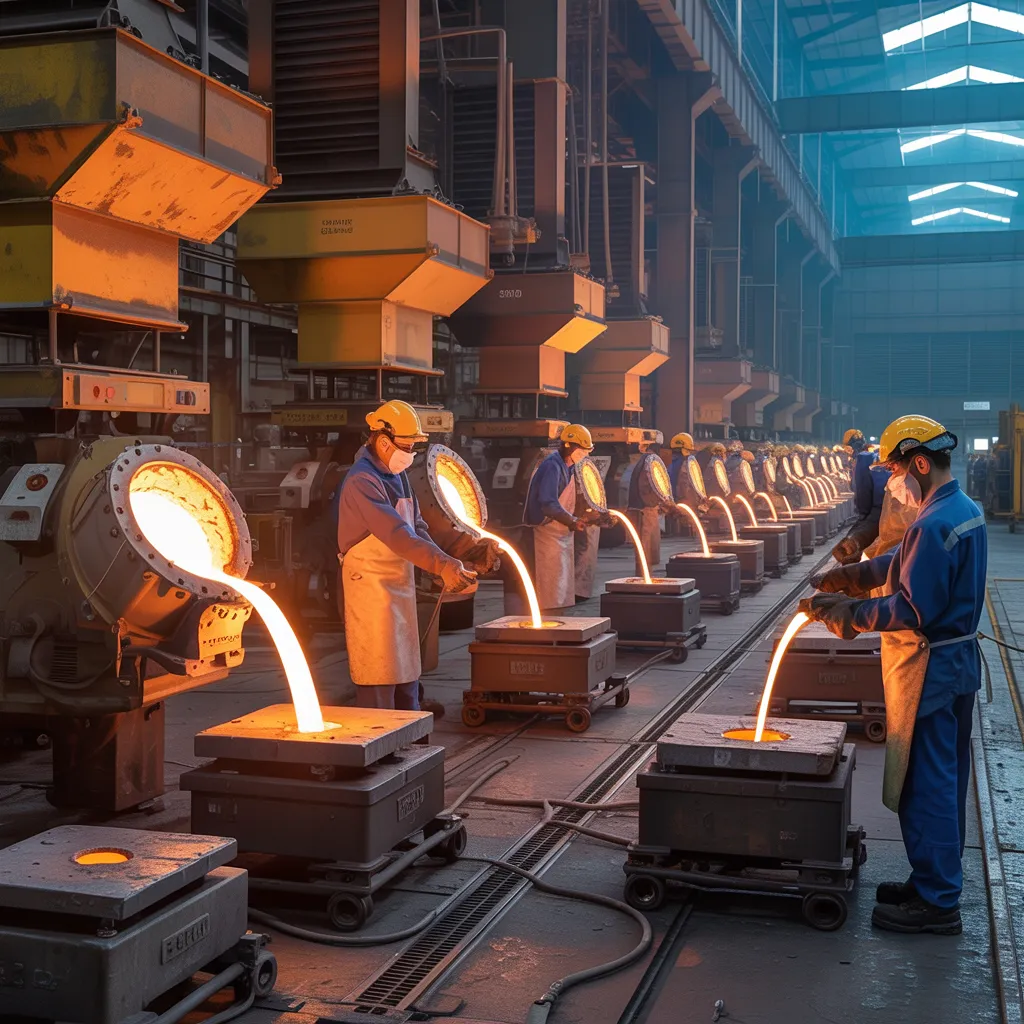
Essential Criteria for Evaluating Metal Casting Foundries
When choosing a metal casting facility, it is important to examine various critical aspects to ensure quality and efficiency. To begin, the foundry's standing and expertise in the industry ought to be considered, as established facilities often demonstrate dependability and proficiency. Next, the range of materials offered is noteworthy; a facility that can handle various metals may better meet a wide range of project demands.
In addition, evaluating the foundry's equipment and technological capabilities is vital; up-to-date machinery can enhance precision and reduce production times. Standards of quality control should also be closely evaluated, as stringent protocols confirm that the finished goods comply with industry requirements. Additionally, customer relations and service standards are essential in building a thriving professional relationship. In conclusion, the foundry's ability to honor project schedules and budget parameters is critical for maintaining project timelines and financial planning. As a whole, these criteria constitute a comprehensive guideline for evaluating prospective casting foundry partners.
Comprehending Production Capabilities in Metal Casting
Comprehending manufacturing capacities is vital when choosing a metal foundry. This includes evaluating the different casting methods available, the scale and volume choices offered, and the suitability of materials with particular applications. Each of these factors can substantially affect the quality and efficiency of the end result.
Casting Process Types
Selecting the most suitable metal casting process is essential, as it directly affects production capacity and the integrity of the final product. Numerous casting methods can be found, each designed to particular applications and materials. Sand casting is widely used for its versatility and cost-effectiveness, perfect for complex shapes. Investment casting delivers high precision, making it suitable for intricate designs. Die casting is preferred for mass production, ensuring consistent quality and shorter lead times. Gravity and low-pressure casting cater to different material requirements, especially for non-ferrous metals. Recognizing these processes empowers manufacturers to align their production goals with the capabilities of the foundry, confirming the selected method meets both operational and budgetary criteria for the desired outcome.
Quantity and Scale Options
Choosing the right capacity and scale considerations is essential for enhancing manufacturing efficiency in metal casting. Metal casting facilities feature a range of capacities, spanning from compact operations ideal for prototype development to major facilities designed to manage large production runs. Businesses must assess their unique production needs, accounting for variables such as lead times, budget constraints, and the intended application of the cast products. A foundry's ability to scale production efficiently can markedly impact delivery schedules and financial outcomes. Furthermore, examining the foundry's tools and technical resources can reveal its limitations and strengths. When synchronizing volume expectations with a foundry's resources, companies can be confident that production runs proceed without disruption, meeting both quality standards and production timelines.
Material Compatibility Considerations
Material compatibility serves as a key element in the outcome of any metal casting operation. Selecting the right materials guarantees that the final product fulfills performance criteria and compliance standards. Foundries must possess expertise in a variety of alloys, such as steel, aluminum, and bronze, as well as their corresponding casting methods. Comprehending thermal characteristics, corrosion resistance, and mechanical strength is critical for optimal material selection. Furthermore, the foundry's machinery and production capacity should correspond with the chosen materials to eliminate flaws throughout casting. Participating in comprehensive discussions with the foundry regarding defined material specifications can produce improved quality and shorter lead times. Ultimately, careful consideration of material compatibility can greatly impact the durability and functionality of the final product.
Which Material Options Should You Think About?
When assessing a metal casting foundry, various material options play an essential role in determining the suitability for specific projects. Common materials include aluminum, recognized for its light weight and resistance to corrosion, making it well-suited for automotive and aerospace uses. Cast iron, celebrated for its outstanding wear resistance, is frequently used in heavy machinery and automotive components. Steel, particularly in its alloyed forms, provides high strength and long-lasting durability, making it ideal for structural applications.
Copper alloys, like bronze and brass, are valued for their outstanding conductivity and decorative qualities, frequently employed in electrical and aesthetic applications. Additionally, specialty metals like titanium provide exceptional strength-to-weight ratios for advanced engineering projects. Understanding the properties and applications of these materials guarantees that stakeholders choose the right foundry, aligning material characteristics with project requirements. Ultimately, identifying the suitable material is vital for reaching maximum performance and lasting quality in the completed product.
Why Quality Assurance Should Matter to You?
Quality assurance is a critical factor that can significantly influence the success of every metal casting endeavor. Verifying that a foundry complies with stringent quality benchmarks can minimize potential issues stemming from defects and inconsistencies in the finished product. This is particularly important in fields where exactness is fundamental, such as aerospace and automotive.
A foundry's focus on quality assurance demonstrates its commitment to operational integrity. get the full story Introducing comprehensive testing and inspection protocols not only strengthens product reliability but also cultivates confidence between the client and the manufacturer. Quality assurance measures can uncover potential concerns early on, decreasing the likelihood of costly rework or delays further along in the production cycle.
Furthermore, foundries that place emphasis on quality assurance are more likely to leverage advanced equipment and highly skilled workers, further enhancing the total quality of their craft. For customers, choosing a foundry that prioritizes quality assurance can bring about greater reliability and extended lifespan of cast products, ensuring that project goals are met effectively.
How Turnaround Times Affect Your Project
Turnaround times serve a critical function in defining the ultimate outcome of a casting project, as delays can interrupt timelines and drive up expenses. A foundry's ability to deliver products within the agreed timeframe can considerably influence the project's progression. For industrial manufacturers, unforeseen setbacks can result in missed deadlines, affecting subsequent operations including assembly and distribution. These issues can contribute to financial losses and weakened customer relationships.
Furthermore, swift processing times allow businesses to act promptly to market needs, promoting competitiveness. Minimal delivery windows can also facilitate more effective inventory management, reducing storage expenses and excess inventory. On the other hand, lengthy turnaround times may prompt organizations to seek competing suppliers, damaging business relationships and confidence.
In the end, grasping the turnaround capabilities of a manufacturing foundry is essential for effective project management. Assessing these elements in advance can assist in ensuring that project milestones are met efficiently, thus protecting long-term project outcomes.
Key Tips for Establishing a Successful Relationship With Your Foundry
A productive relationship with a metal casting foundry depends on clear communication and mutual understanding. Setting clear objectives and expectations from the beginning promotes a cooperative environment. Consistent updates and feedback channels confirm that both parties remain aligned across all stages of production.
Moreover, recognizing the foundry's overall capacities and restrictions is crucial. This knowledge aids in defining reasonable timeframes and avoids likely complications. Developing trust is also a key factor; transparency regarding project demands and difficulties can strengthen collaborative problem-solving capabilities.
Moreover, nurturing a partnership built on appreciation and respect can generate higher dedication from the foundry. Valuing their expertise and honoring their input can produce forward-thinking solutions and enhanced quality.
Ultimately, committing to regular meetings and discussions can enhance the collaboration, guaranteeing that both partners are committed and driven to achieve shared success in each project.
Frequently Asked Questions
What Is the Best Way to Compare Costs Between Different Foundries?
When comparing costs across various foundries, you should obtain thorough pricing quotes, assess material and labor expenses, review manufacturing capabilities, and consider additional factors like delivery schedules and quality assurance procedures to ensure a precise evaluation.
What Are the Environmental Practices of the Foundry?
The foundry's sustainability efforts involve emissions control, waste management, and energy conservation strategies. Reviewing certifications, sustainability initiatives, and the incorporation of green materials can offer valuable information about their dedication to sustainable practices and regulatory adherence.
Is It Possible to Visit the Foundry Prior to Making a Decision?
Yes, potential clients can often visit the foundry before making a selection. Such visits allow them to assess operations, understand capabilities, and gauge environmental practices, instilling assurance in their final selection of the foundry.
Which Certifications Are Essential for a Reliable Foundry?
A reliable foundry is expected to have accreditations such as ISO 9001 to ensure quality management, ISO 14001 for environmental management, and specialized certifications within the industry like ASTM or ASME, ensuring adherence to widely accepted standards and industry best practices in the metal casting industry.
How Does the Foundry Address Unexpected Production Issues?
A trusted foundry addresses unexpected production challenges through proactive communication, deploying contingency plans, and engaging highly qualified personnel. Consistent supervision and a collaborative approach with customers provide timely resolutions and preserve production standards throughout the workflow.