Within a Casting Foundry: The Core of Metal Manufacturing
Within a metal casting facility, activities occur that are essential to the manufacturing of metals. Industrial furnaces turn alloys into liquid metal, while trained workers manage complex molding systems. Automation holds significant importance, enhancing efficiency and sustainability. Yet, the sector faces numerous challenges that could shape its trajectory ahead. Analyzing these elements reveals more than just production; it illuminates a intricate relationship of heritage techniques and cutting-edge solutions. What the future holds for this indispensable field?
The Fundamentals of Metal Casting
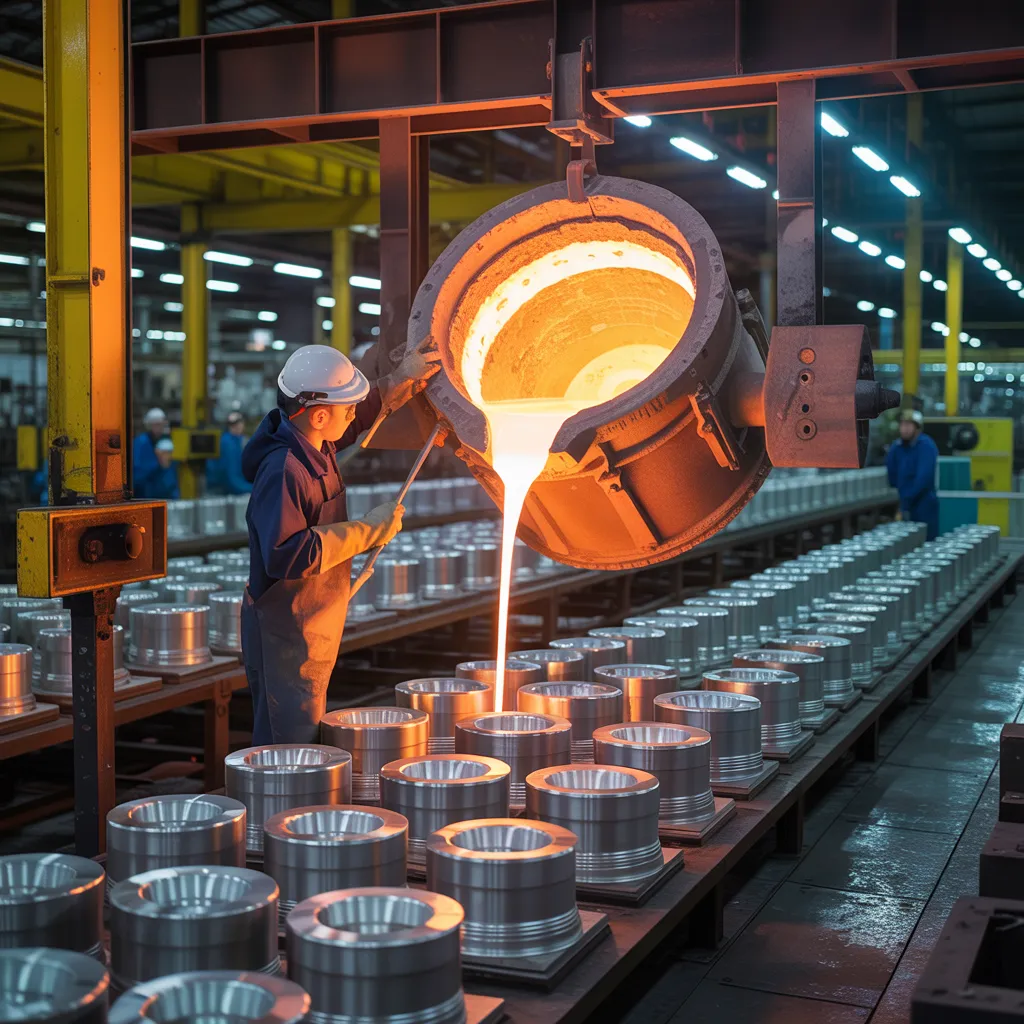
Metal casting serves as a foundational process in industrial production, changing molten metal into solid components. This technique has been employed for centuries, enabling artisans and manufacturers to produce components with detailed shapes and exact dimensions. The process begins with selecting suitable metal alloys, which are subsequently melted at elevated temperatures.
After melting, the metal is directed into molds built to define the final product. The access now molds used can be made from several material types, including sand, metal, and ceramic, depending on the specific requirements and production demands.
When the metal cools down and solidifies, the mold is removed, exposing the cast object. This technique offers considerable advantages, such as reduced material waste and the capability to create complex geometries that would be difficult to accomplish through alternative manufacturing methods. Understanding these basics is crucial for understanding the importance of metal casting in contemporary manufacturing.
Essential Processes in Metal Casting: Melting, Molding, and Refinement
The journey of metal casting unfolds through three fundamental steps: melting, molding, and refinement. At the outset, metal is placed in a furnace and heated until it becomes fully molten, allowing for easier manipulation. This melting stage is essential, as it defines the overall quality of the finished piece.
Next, the liquid metal is poured into casting molds, which form it into particular shapes. The type of molding material—including options such as ceramic, sand, or metal—influences the cast piece's surface texture and dimensional precision.
In the final stage, the refinement process includes cooling and solidifying the cast metal, followed by techniques such as heat treatment, machining, or polishing to enhance its mechanical properties. This stage guarantees the final product adheres to precise specifications and quality standards. Each of these processes is essential, supporting the overall productivity and quality of metal casting, culminating in high-quality components for various industries.
Progress in the Contemporary Foundry Industry
As the foundry industry evolves, innovations are reshaping traditional practices, improving productivity and environmental responsibility. Technological progress, like 3D printing, are overhauling how molds are produced, enabling intricate designs and shorter production timelines. This technique not only cuts down on waste but also promotes personalization, fulfilling unique customer needs more efficiently.
Additionally, the incorporation of robotic automation streamlines workflows, enhancing productivity and decreasing the likelihood of human error. Advanced manufacturing solutions, including IoT-enabled sensors, offer live data analytics, enabling precise monitoring of operations and predictive maintenance.
Additionally, eco-friendly practices and materials are gaining traction, limiting the impact on the environment of the casting process. The adoption of recycled metals and energy-saving furnaces exemplifies a movement towards greener methods, contributing to global sustainability goals. Such advancements collectively contribute to a more forward-thinking and conscientious casting sector, prepared to address emerging challenges while meeting the evolving needs of the market.
What Difficulties Are Casting Foundries Confronted With?
What challenges do casting foundries face in an ever-evolving industry? One significant challenge is the volatility of raw material prices, which can severely impact production budgets. Moreover, environmental regulations are becoming increasingly stringent, compelling foundries to invest in cleaner technologies to reduce emissions and waste. This change necessitates significant capital investment, which can burden smaller facilities.
Additionally, competition from overseas manufacturers commonly creates downward price pressure, making it difficult for home-based foundries to maintain profitability. Such operations also face challenges in accommodating quickly evolving technological innovations, particularly automation and digitalization, which require sustained training efforts and financial investment.
Ultimately, supply chain disruptions, exacerbated by global events, represent a persistent threat, disrupting the on-time delivery of components and materials. Collectively, these challenges require foundries to remain flexible and inventive to succeed in a challenging industry landscape.
The Role of Skilled Labor in Casting Foundries
While automation and technology continue to reshape the production environment, skilled workers continue to serve as a foundation in casting foundries. The detailed demands of the casting process necessitates a breadth of understanding that technology alone cannot reproduce. Skilled workers possess the expertise to evaluate detailed specifications, choose suitable alloys and compounds, and resolve challenges that emerge during the casting process. Their practical expertise is vital for ensuring quality control and precision, most critically in complex undertakings that require precise measurements.
Additionally, skilled labor plays a significant role in managing and enhancing machinery, ensuring that production runs smoothly and efficiently. As casting operations progress, these employees are also charged with modifying and perfecting approaches, integrating new technologies while retaining traditional craftsmanship. In this dynamic environment, the interplay between skilled professionals and technological developments is vital for maintaining the standards and dependability that characterize thriving casting foundries.
Future Trends in Casting: What's Next for the Industry?
Growing developments in the foundry sector are set to transform its future, fueled by innovations in technology and shifting market requirements. Artificial intelligence and automation are progressively optimizing production processes, enhancing precision and minimizing workforce costs. In addition, the incorporation of 3D printing is revolutionizing mold creation, allowing for advanced design possibilities and decreased turnaround times.
Sustainability is increasingly taking center stage as organizations work to lessen their ecological footprint. This includes using recycled materials and developing energy-efficient practices within foundries. Moreover, the rising demand for lightweight materials, notably in the automotive and aerospace fields, is spurring new innovations in alloy formulation.
The field is equally observing a shift towards modernization, as IoT technologies facilitate live monitoring and proactive maintenance. As these developments align, the casting field is poised to witness substantial changes, equipping itself to address the challenges of a rapidly changing global landscape.
Questions We Frequently Receive
What Kinds of Metals Are Typically Cast in Foundries?
Commonly cast metals in foundries include aluminum, iron, steel, bronze, and brass. Each metal possesses unique properties, making them suitable for various applications, ranging from automotive parts to ornamental pieces, reflecting the versatility of casting processes.
What Are the Environmental Impacts of Metal Casting?
The metal casting process impacts the environment through energy consumption, waste generation, and emissions. It can contribute to pollution of air and water, while also requiring significant resources, driving the need for sustainable practices and technologies in the field.
What Safety Protocols Are Established for Foundry Workers?
Foundries utilize a range of protective measures, including protective gear, air circulation systems, routine training programs, and strict adherence to safety protocols. These measures are designed to minimize hazards and guarantee a protected workplace setting for all staff members.
How Are Casting Flaws Detected and Addressed?
Casting defects are identified using visual reviews, dimensional measurements, and non-destructive analysis methods. Addressing these issues involves refining processes, correcting imperfections, or performing re-casting when required to ensure quality and compliance with specifications.
How Long Does a Typical Casting Production Timeline Take?
A standard manufacturing timeline for a casting involves a number of stages: pattern creation, mold making, pouring, cooling, and finishing. The process usually spans from a few days to several weeks, based on complexity and production volume.